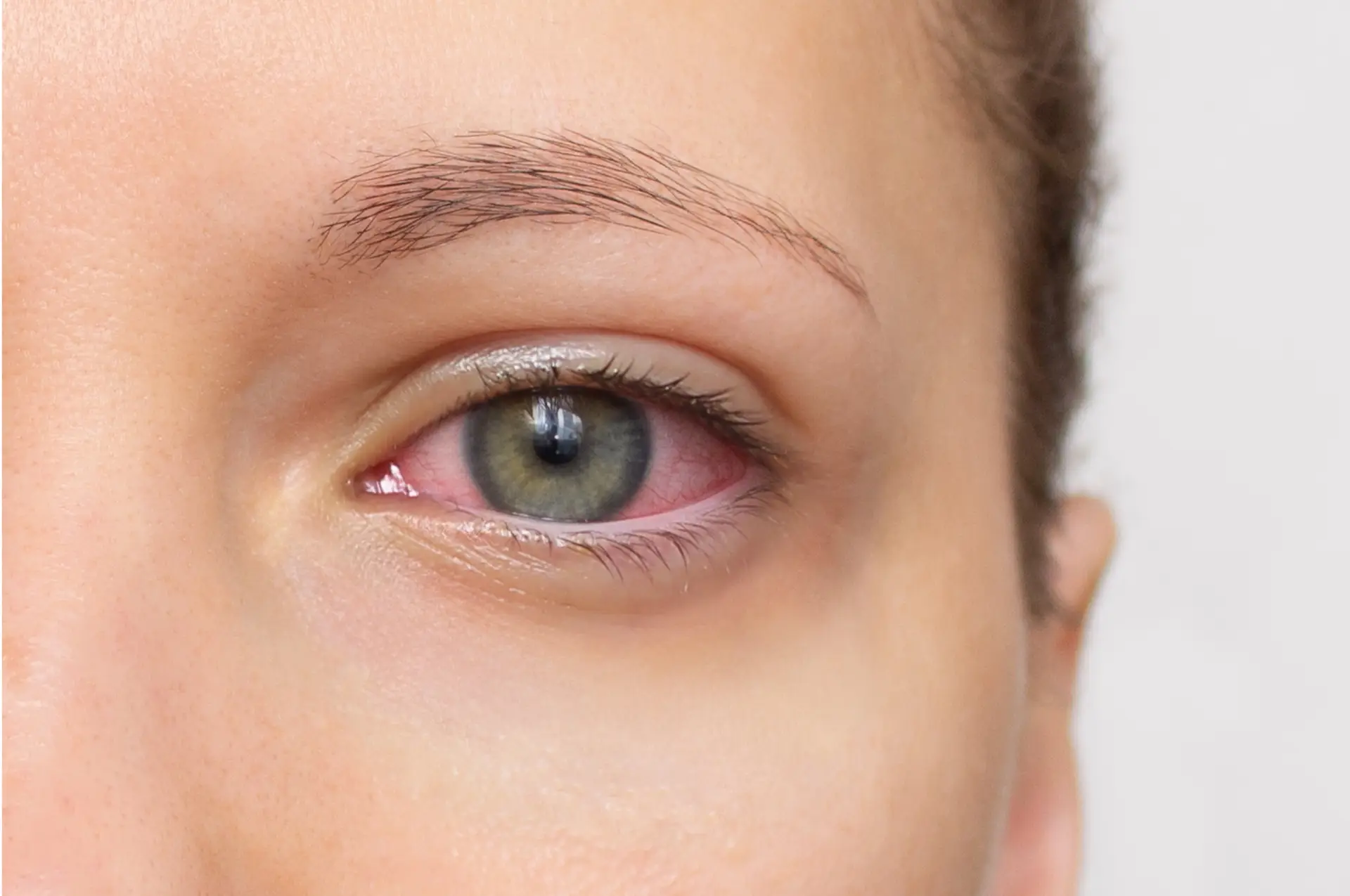
In recent years, dry eye disease has become more prominent, as well as becoming more understood. Luckily, diagnostic tools as well as treatments have made exceptional advances within the past decade. All patients suffering from dry eyes are recommended to trial artificial tears 4x daily as well as warm compresses 10 minutes at night before an evaluation, as these will be mandatory treatments for insurance authorization before attempting any other advanced therapies.
Use the previous and next buttons, the left and right arrow keys, or swipe to change the centered card.
Over time, the oil glands that line the upper and lower lids start to clog. This leads to improper oil secretion and poor stability of the tear, leading to faster evaporation and instability of tear and vision.
Untreated, the glands began to die out, limiting oil distribution
Over time, with age, hormone changes, or certain medications, the gland that secretes tears begins to slow. This reduces the amount of hydration on the surface of the eye, leading to a decreased quantity of tears, increased evaporation, and instability of tear and vision.
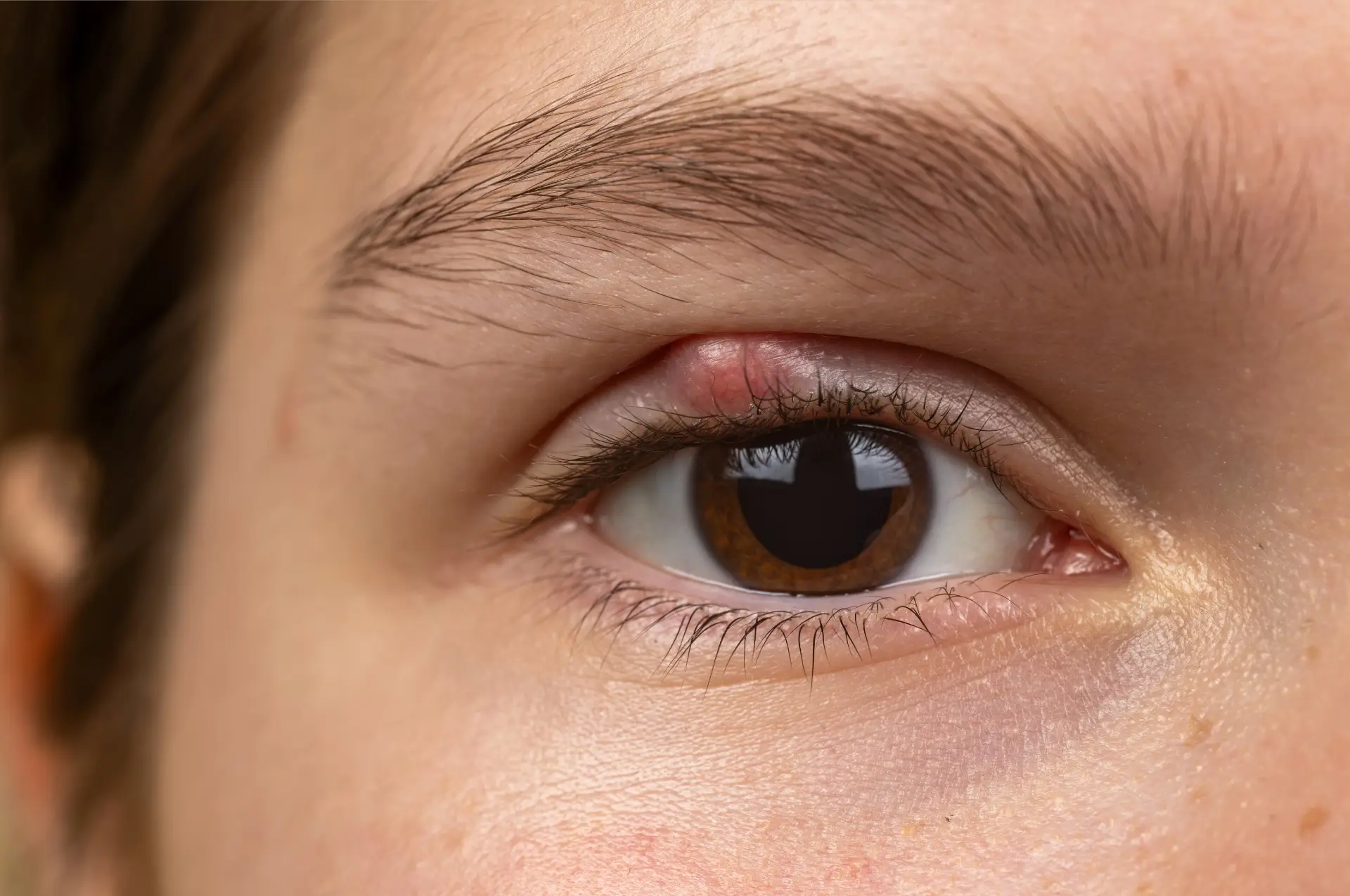
This is an autoimmune condition where the body attacks its own water-secreting glands, including the saliva and tear glands. While this may be diagnosed before dry eye occurs, dry eye can often be the first sign of this condition, allowing for collaborative care between rheumatology and optometry. This condition significantly reduces the secretion of tears. Untreated, this can lead to corneal scarring and reduced vision.
Many refractive surgeries induce temporary reduced corneal nerve distribution through the post operative period. Some individuals find an increase in dry eye symptoms that impact both the meibomian glands and tear secretion glands. Left untreated, this hinders the outcome potential with refractive surgery leading to discomfort and reduced visual acuity.